
Ultimate Foundation Repair Tools And Materials For Long-Term Solutions
Equip yourself with proven products designed to provide lasting foundation stability and peace of mind.
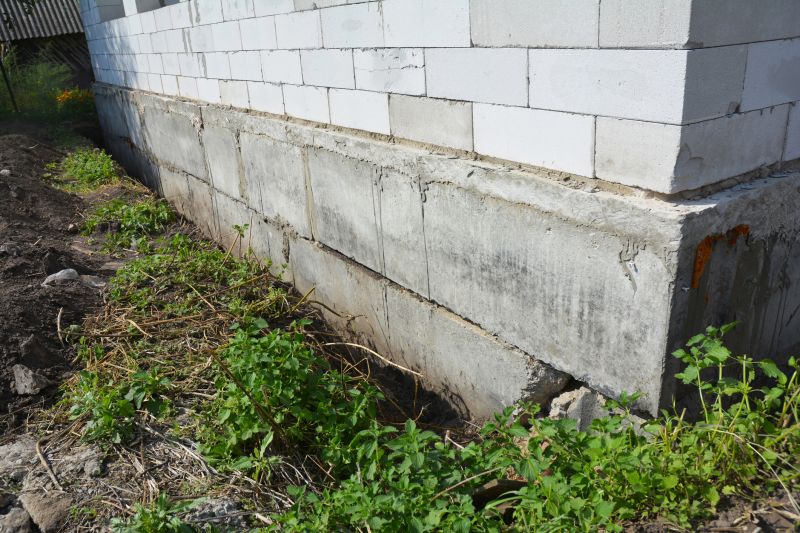 Foundation repairs are a critical aspect of maintaining the structural integrity of a building. When signs of foundation issues such as cracks, uneven floors, or sticking doors appear, it is essential to explore appropriate repair products to address these concerns effectively. The market offers a variety of solutions designed to stabilize and reinforce foundations, each suited to different types of damage and soil conditions. Selecting the right products requires understanding the specific needs of your property, as well as considering factors like soil type, access, and the extent of the damage.
Top Overall Option
Hydraulic Pier and Beam Support System
A hydraulic pier and beam support system offers adjustable, stable support for foundations experiencing settling or shifting. This versatile solution can be installed beneath existing structures, providing precise leveling and stabilization. Its adaptability makes it suitable for various foundation types and soil conditions, helping to restore integrity over time.
Types of Products For Foundation Repairs
Concrete Lifting and Leveling Kits
These kits use polyurethane foam or mudjacking techniques to lift and level sunken concrete slabs, driveways, and walkways.
Helical Piers
Helical piers are screwed into the ground to provide deep support for foundations and are often used in unstable soil conditions.
Push Piers
Push piers are hydraulically driven into the soil beneath the foundation to stabilize and lift the structure.
Slab Jacking Equipment
Used for raising and leveling concrete slabs, this equipment injects grout beneath sunken slabs to restore their original position.
Underpinning Systems
Underpinning involves reinforcing existing foundations with various support methods to improve stability.
Foundation Wall Supports
Products like wall braces and anchors help stabilize leaning or bowing foundation walls.
Soil Stabilization Products
These include chemical injections and other materials designed to improve soil bearing capacity.
Crack Repair Sealants
Specialized sealants are used to fill and seal cracks in foundation walls to prevent water intrusion and further deterioration.
Waterproofing Membranes
Applied to foundation walls, waterproof membranes help prevent water seepage that can weaken the foundation.
Drainage Systems
Proper drainage solutions are essential to divert water away from the foundation, reducing pressure and potential damage.
Vibration and Soil Compaction Tools
These tools improve soil stability around the foundation, especially in loose or shifting soils.
Foundation Repair Anchors
Anchors stabilize bowing or leaning walls by attaching them to stable soil or framing elements.
Popular Choices
These kits provide a minimally invasive way to lift and stabilize sunken concrete slabs, gaining popularity for small to medium repairs.
Steel beams are used to support and level floors and foundations, offering flexibility in repair projects.
Wall braces are commonly used to counteract bowing or leaning walls and are favored for their effectiveness.
Hydraulic push piers are frequently selected for their ability to support heavy structures and adapt to various soil conditions.
Chemical injections that improve soil stability are gaining popularity for their ease of application.
Sealants for cracks in foundation walls are a common choice for preventing water intrusion and further damage.
Application of waterproof membranes remains a popular method to safeguard foundations from water damage.
French drains and surface drainage systems are frequently installed to reduce water pressure on foundations.
Used to improve soil stability, these tools are often part of foundation repair preparations.
Wall anchors are a trending option for stabilizing and repairing bowing or leaning foundation walls.
In Berkley, MI, where homes and buildings are subject to local soil conditions and climate influences, choosing suitable foundation repair products is vital. Professional consultation is often recommended to assess the severity of the foundation issues and to determine the most appropriate repair approach. Whether dealing with minor settling or more extensive structural problems, there are products tailored to provide the necessary support and stabilization.
Proper installation and the use of quality products can help prevent further damage, improve safety, and potentially extend the lifespan of the structure. It is important to prioritize products that are compatible with your specific foundation type, whether it is concrete, pier and beam, or slab. Additionally, considering the ease of installation and the long-term durability of the repair solutions can contribute to a more effective and lasting outcome.
Investing in the right foundation repair products can make a significant difference in maintaining the value and safety of your property. Always ensure to follow manufacturer instructions and consult with qualified professionals when undertaking foundation repairs. With the right approach and suitable products, homeowners and property managers in Berkley, MI, can address foundation concerns with confidence and clarity.
Key Buying Considerations
- Assess the type and extent of foundation damage to determine suitable repair products.
- Consider the soil type and moisture levels in your area to select compatible solutions.
- Evaluate the load-bearing requirements and whether the product can support your structure's weight.
- Check for ease of installation, especially if you plan to undertake DIY repairs or hire professionals.
- Review the long-term durability and maintenance needs of the repair products.
- Ensure products are compatible with your foundation type, whether slab, pier and beam, or basement.
- Look into the product's capacity to accommodate future movement or settling.
- Consider environmental factors such as water drainage and moisture control around the foundation.
- Verify that the products meet local building codes and standards.
- Research customer reviews and professional recommendations to gauge product effectiveness.
- Determine if professional installation is recommended or required for certain products.
- Evaluate the cost-effectiveness of the solution relative to the extent of foundation issues.
- Consider the availability of warranty or support from the manufacturer.
- Ensure that repair solutions can be integrated with other foundation maintenance measures.
- Check for compatibility with existing foundation materials and structures.